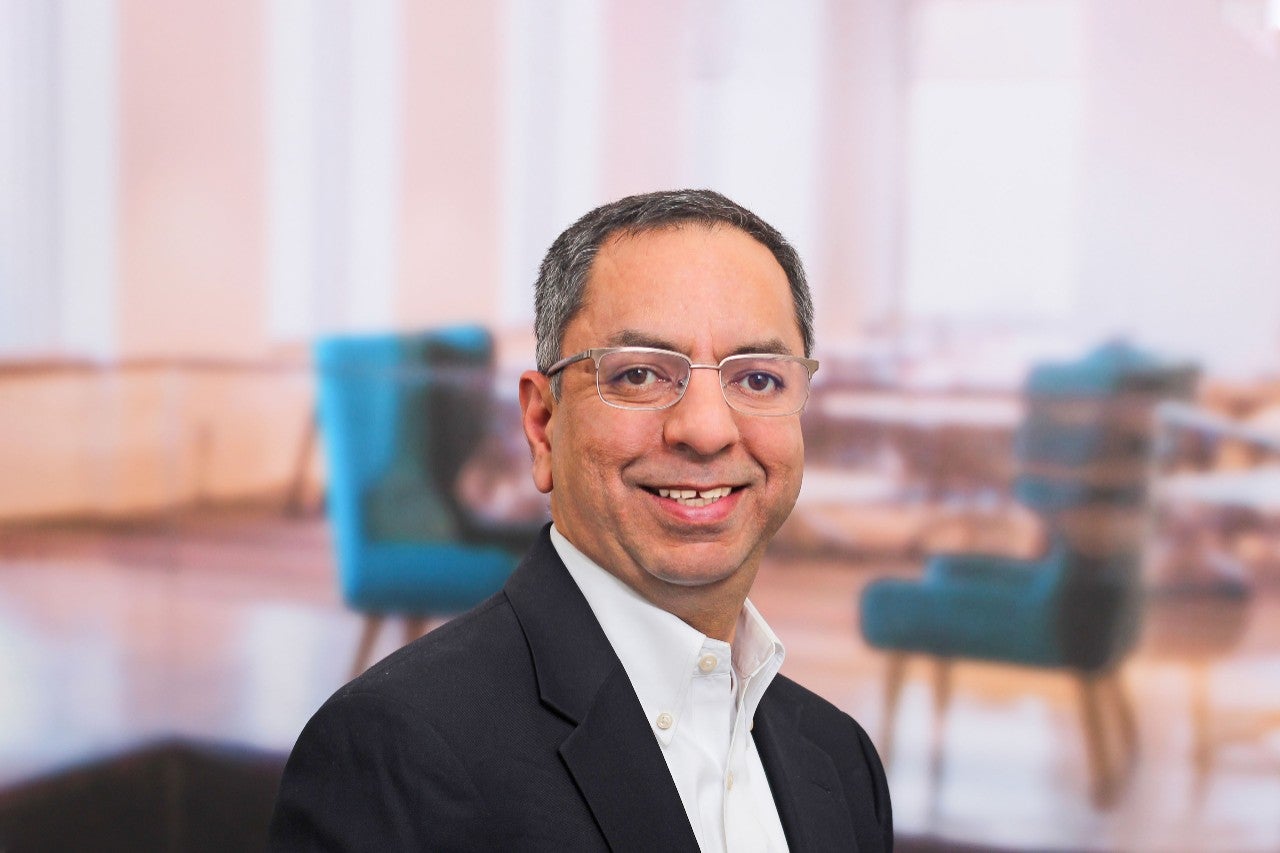
From CRED Founder to WhatsApp Leader
Kunal Shah's move from CRED to WhatsApp represents an unusual transition from India's startup ecosystem to one of the world's largest consumer technology platforms.
Meta announced on June 22, 2026 that Shah would become WhatsApp's global head, succeeding Will Cathcart. At the same time, Meta announced a $900 million investment in CRED, giving it a minority stake and valuing CRED at approximately $4.5 billion post-money.
Why Kunal Shah?
Meta's leadership decision was connected to a specific set of capabilities rather than simply Shah's reputation as a startup founder.
Meta Chief Product Officer Chris Cox said the company was looking for someone with an intuitive understanding of WhatsApp's global product opportunity, the ability to navigate AI-driven disruption and the leadership capability required to run a global communication platform.
Shah's background fits several of these requirements. He previously founded FreeCharge and later founded CRED in 2018, building consumer-focused technology businesses in India.
The India Connection
India is one of WhatsApp's most important markets. Business Standard reported that WhatsApp has more than three billion monthly active users globally, while India has close to 500 million users.
That makes experience with Indian consumers particularly relevant as WhatsApp expands beyond traditional messaging into areas such as business communication, payments and commerce.
Why Not Other Startup Founders?
There is no publicly disclosed list showing that Meta compared every Indian startup founder for the position.
Therefore, it would be inaccurate to claim that other founders were rejected because they were less capable.
What the available reporting does show is that Meta was looking for a combination of product intuition, founder experience, global perspective, leadership ability and an understanding of AI's impact on communication.
Shah's background matched those requirements, which helps explain why Meta selected him.
The Founder Advantage
Building a startup and running a global platform are different challenges.
A founder needs to understand customers, product-market fit, hiring, capital and growth. A global platform leader must additionally deal with billions of users, privacy, regulation, monetisation, AI integration and a huge organisational structure.
Shah's appointment therefore provides an interesting case study in how founder skills can transfer into a much larger technology organisation.
The Bigger Startup Lesson
The most interesting part of this story is not simply that an Indian founder became WhatsApp's global head.
It is that experience accumulated while building consumer products in India can become relevant to global technology leadership.
Meta's investment in CRED and Shah's move to WhatsApp also connect two different parts of the technology ecosystem: startup investing and global platform leadership.
For founders, the lesson is straightforward: building a company can create capabilities that remain valuable even when the next opportunity is very different from the original startup.


 observer